
How dry cleaning works
Does Dry Cleaning Actually Clean Clothes?
It is a fair question. The word “dry” makes it sound like nothing much happens, and you never see the process. You hand over a suit, you get it back on a hanger, and you take it on trust. So here is the honest answer. Yes, dry cleaning cleans. In some ways it cleans better than washing. Here is what actually happens between drop-off and pickup.
The Word “Dry” Is Misleading
Your garment gets wet. Just not with water.
Dry cleaning uses a liquid solvent instead. The machine fills, the garment moves through the solvent, and the solvent is drained and filtered out. It is a wash cycle. The liquid is simply not water.
That single word confuses people more than anything else about the trade.
What Solvent Removes That Water Cannot
This is the part most people do not know.
Water and detergent are good at water-based dirt. Sweat, mud, juice, coffee, and most food spills come out fine in a washing machine.
Solvent is good for the other half. Oil, grease, body oil, makeup, hand cream, salad dressing, and lipstick dissolve in solvent and do not dissolve in water.
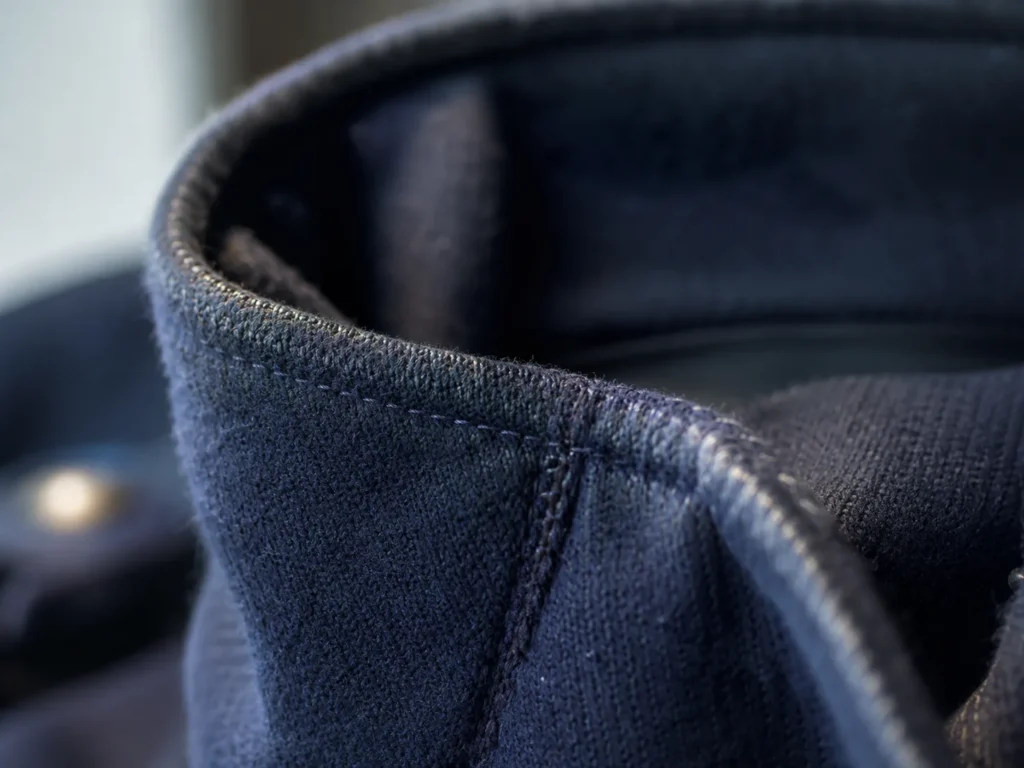
That matters because oil is what makes clothing look tired. A wool coat worn all winter is not dirty in an obvious way. It is carrying body oil along the collar, the cuffs, and the underarms. Water will not lift that out. Solvent will.
What Happens to Your Garment
A cleaning order moves through five stages. Only one of them is the machine.
Inspection
Every item is checked before anything starts. We look at the care label, note the fabric, empty pockets, and mark any stains or damage.
This step decides everything that follows. A beaded silk blouse and a cotton shirt do not get the same treatment.
Stain treatment
Spots are treated by hand before the garment goes near the machine. Different stains need different approaches, which is why we ask what caused a mark.
Guessing wrong can set a stain permanently. Getting it right often means it lifts completely.
Cleaning
The garment goes into the machine with the solvent. We use Intense solvent, a modern system that removes oils and dirt while staying gentle on colors, linings, and finishes.
The solvent circulates, lifts the soil out of the fibers, then drains away and is filtered before the next load.
Drying and finishing
The garment is dried, then pressed on shaped equipment that follows the shoulder, the lapel, and the sleeve.
This stage is why a professionally cleaned jacket holds its shape and a home-dried one does not.
Final inspection
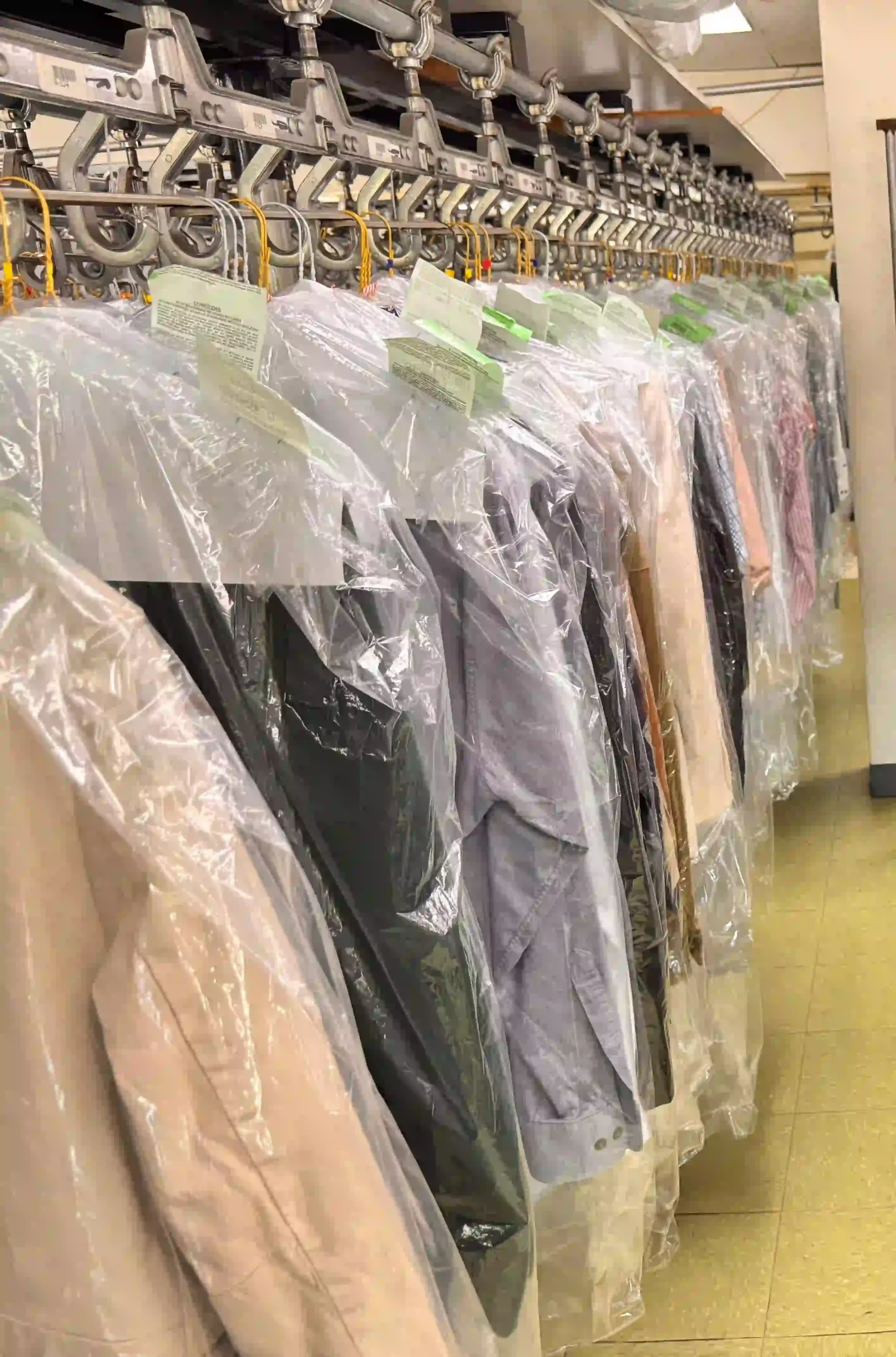
Every piece is checked again before it goes back on the rack. If something needs more attention, it goes back through rather than out the door.
Why It Looks Like Nothing Happened
Here is the thing that makes people doubt the process.
A well-cleaned garment does not look dramatically different. There is no visible foam, no dirty water pouring out, none of the signals we associate with cleaning.
But that is the point. Solvent cleaning is gentle by design. It is used on fabrics that cannot survive a washing machine, so a good result looks like the garment simply looking like itself again.
If a suit came back looking transformed, something went wrong.
What Dry Cleaning Will Not Do
Being straight about the limits:
Old stains may not lift. A stain that has been in the fabric for months is bonded to the fibers. We will try. We cannot promise.
Some stains are water-based. Sugar, sweat, and juice need treatment before the solvent cycle, not the solvent itself. This is another reason to tell us what happened.
Damage that already exists stays. Cleaning does not repair a weak seam or a thinning elbow. Sometimes it reveals one.
It does not sanitize like boiling water. Cleaning removes soil and odor. It is not a medical process.
How Often Is It Worth It
More often than people think.
Dirt and body oils act like sandpaper on fabric. Every time you move, the soil in the fibers grinds against them. Leaving a garment dirty in the closet for six months does more damage than cleaning it does.
For a suit, every three to four wears is a reasonable rhythm. For a winter coat, at least once at the end of the season before it goes into storage.
The Short Answer
Dry cleaning cleans. It uses solvent instead of water, which is why it lifts the oil that washing leaves behind.
The machine is one step out of five. The inspection, stain work, pressing, and final check are where the difference shows.
See the Process for Yourself
We have cleaned clothes in Chicago since 1989. Most garments are cleaned and finished at our Clybourn Avenue plant, so the person who takes your order works alongside the team handling it.
Read more about our dry cleaning service, or use our free pickup and delivery across the neighborhoods we serve.